Carbon Script Font for Handmade Crafters
As a maker, you know that the right typeface can make or break a product. We spend hours perfecting our candle pours, stitching our tote bags, and designing our invitation suites, but often the final touch—the typography—is an afterthought. That is where Carbon Script changes the game. This is not just another digital font; it is a hand-drawn charcoal font that brings an authentic, tactile texture to your designs. Whether you are creating physical goods or digital downloads, this display font offers a unique visual personality that feels human, warm, and intentionally imperfect.
The Authentic Charm of Charcoal Texture
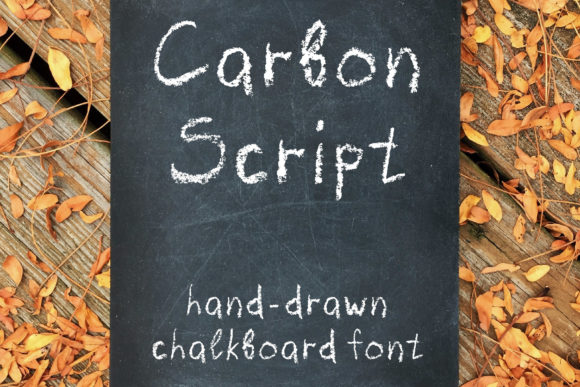
The magic of Carbon Script lies in its versatility and organic feel. When used in black on a white background, it mimics the rich, textured look of real charcoal on paper. Flip the colors, and it transforms into a crisp, dusty chalk effect on a blackboard. This duality makes it an incredibly powerful tool for brand identity. For crafters who value the "handmade" aesthetic, this font eliminates the sterile look of standard computer-generated text. It adds immediate perceived quality and emotional appeal to your work, signaling to customers that care and artistry went into every detail.
Unlike smooth vector scripts that can look too polished for rustic or bohemian brands, Carbon Script retains the rough edges and natural variations of a hand-drawn stroke. This makes it ideal for projects where you want to convey warmth, nostalgia, or artisanal quality. It is a premium font choice for anyone looking to elevate their design assets beyond the typical freebie offerings found online.
Practical Uses for Physical Products
If you run a small shop, you are likely constantly designing labels, tags, and packaging. Carbon Script excels in these short-form applications. Imagine using it for boutique candle labels where the charcoal texture complements a minimalist, earthy brand. It works beautifully on kraft paper stickers, giving them a vintage, apothecary vibe. For wedding stationery designers, this font is perfect for welcome boards, menu cards, and place settings. The chalk-on-black aesthetic creates a stunning contrast for evening events or rustic barn weddings.
- Product Labels: Use for soap, candle, or jam jar labels to create an artisanal look.
- Packaging: Print on thank-you cards or tissue paper seals for a personal touch.
- Signage: Ideal for farmhouse-style wooden signs or chalkboard cafe menus.
- Apparel: Works well for heat-transfer vinyl designs on tote bags and t-shirts, especially when using a distressed effect.
When using Carbon Script for physical items like mugs or shirts, consider the scale. Because it is a display font, it is designed to be seen from a distance or as a focal point. It is not suitable for long paragraphs of text, such as ingredient lists or detailed instructions. Instead, use it for titles, names, dates, and short phrases. Pair it with a clean sans serif font for the smaller informational text to ensure readability while maintaining the decorative impact of the script.
Digital Downloads and Printable Designs
For creators of digital products, Carbon Script is a versatile asset for SVG-style designs and printable templates. If you sell planner pages, wall art, or greeting cards on platforms like Etsy, this font can help your listings stand out. The texture translates well in high-resolution prints, giving digital files a tangible feel. When creating seasonal craft designs, such as holiday gift tags or birthday invitations, the handwritten font style adds a celebratory and personal tone that resonates with buyers looking for unique, non-mass-produced items.
However, readability is key in digital spaces. When designing for social media graphics or web design previews, ensure there is enough contrast between the font and the background. Since Carbon Script has a textured fill, avoid placing it over busy patterns. A solid color background allows the charcoal or chalk effect to shine without visual clutter. This attention to detail improves customer recognition and ensures your brand identity remains consistent across all platforms.
Font Pairing and Design Harmony
To get the most out of this creative font, think about how it interacts with other typefaces. Carbon Script is bold and expressive, so it pairs best with simple, understated fonts. A modern typography approach would involve combining it with a geometric sans serif font for a contemporary look, or a classic serif font for a more traditional, elegant feel. Avoid pairing it with other script fonts, as this can create visual competition and reduce legibility.
For logo design, consider using Carbon Script for the brand name and a clean, lightweight font for the tagline. This hierarchy guides the viewer’s eye and establishes a clear brand message. In packaging design, this combination helps balance the artistic flair of the script with the necessary clarity of product information. By mastering font pairing, you create a cohesive visual language that strengthens your brand identity and appeals to your target audience.
Technical Considerations for Crafters
Before purchasing any commercial font, it is essential to check the license terms. Ensure that Carbon Script includes a commercial license that covers your specific use cases, such as selling physical products, templates, printables, and client work. Most premium fonts allow for unlimited end-products, but always verify if there are restrictions on digital resale or large-scale manufacturing.
Additionally, explore the included styles and features. Does Carbon Script offer alternates, ligatures, or swashes? These features can add variety to your designs, preventing repetitive looks in bulk orders. For example, using different letter variants for repeated characters in a word can enhance the hand-drawn illusion. Check for multilingual support if you plan to sell internationally or create designs in multiple languages. File formats matter too; ensure you have access to OTF or TTF files for design software and web fonts if needed for online stores.
For Cricut and Silhouette users, remember that textured fonts can sometimes be tricky to cut if the texture is part of the vector path. However, since Carbon Script is designed to look like charcoal or chalk, it is often best used for printing rather than cutting intricate details. If you do cut it, consider using it at larger sizes for signs or decals where the texture can be printed onto the material before cutting, or use a solid version if available for clean vinyl cuts. Always test a small batch before committing to a large production run to ensure the font renders correctly on your specific materials.
Incorporating Carbon Script into your toolkit is more than just adding a new font; it is about enhancing the storytelling aspect of your crafts. It bridges the gap between digital design and handmade authenticity, offering a solution that is both commercially viable and artistically satisfying. Whether you are labeling a batch of homemade jams or designing a wedding suite, this font provides the texture and charm that customers crave in today’s market of mass-produced goods.