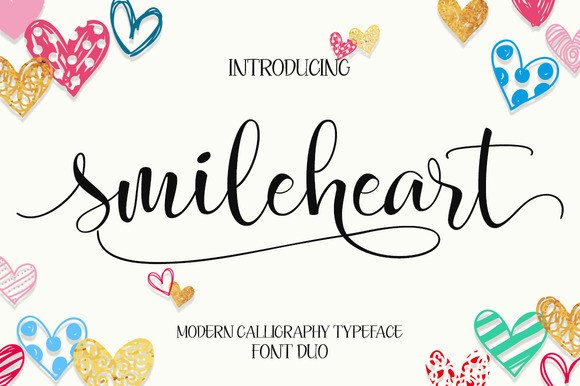
Smileheart: A Modern Handwritten Font for Web Design
In the fast-paced world of digital product creation, typography is often the first element that communicates brand personality. As web designers and UI specialists, we constantly search for typefaces that balance aesthetic appeal with functional readability. Smileheart emerges as a compelling option in this space, offering a modern handwritten style that feels both personal and professional. Unlike traditional script fonts that can sacrifice legibility for flair, Smileheart maintains clean letterforms that are easy to read across various screen sizes. This makes it an invaluable asset for designers working on landing pages, online stores, and branded web experiences where user engagement is paramount.
Visual Characteristics and Digital Appeal
Smileheart belongs to the Script Amp category of fonts, but it distinguishes itself through its clarity. The letters are designed with a consistent stroke width and open counters, which prevents the visual clutter often associated with complex cursive typefaces. For a digital creator, this means the font performs well not just in large display sizes but also in medium-weight headings where detail might otherwise be lost. The "handwritten" aspect adds a human touch, softening the rigid grid of a website layout without compromising the structural integrity of the design.
When implementing Smileheart in a project, consider its role in establishing visual hierarchy. It is not a body copy font; rather, it excels as a display font for hero sections, section headings, and call-to-action areas. Its modern typography style bridges the gap between casual creativity and polished design, making it suitable for brands that want to appear approachable yet credible. Whether you are designing a SaaS founder’s portfolio or a boutique online store, the font’s clean lines ensure that the message remains the focal point.
Enhancing Readability and User Engagement
Readability is a critical factor in conversion-focused layouts. Users scan web content quickly, and difficult-to-read typography can increase bounce rates. Smileheart addresses this by prioritizing legible letter shapes. When used for short phrases, logos, or decorative accents, it guides the eye naturally through the content. However, responsible usage is key. On mobile screens, ensure that the font size is sufficiently large to maintain clarity. Small buttons or dense text blocks should avoid using this script font, as the intricate connections between letters may become indistinct at smaller scales.
For responsive layouts, test Smileheart against different background contrasts. It performs exceptionally well on light backgrounds, where the dark strokes stand out sharply. On dark backgrounds, ensure adequate weight and spacing to prevent the letters from blending into the void. When placing text over image overlays, use a subtle shadow or overlay mask to enhance contrast, ensuring the handwritten style remains crisp and recognizable. This attention to detail supports better scanning behavior and improves overall user experience.
Strategic Font Pairing for Web Layouts
A successful digital identity relies on harmonious font pairing. Since Smileheart is a decorative display font, it pairs best with neutral, highly readable typefaces. A clean sans serif font is the most logical choice for body copy, creating a balanced contrast between the organic flow of the script and the geometric stability of the sans serif. This combination is ideal for editorial design elements within a website, such as blog headers paired with simple paragraph text.
Alternatively, for a more sophisticated or traditional brand tone, consider pairing Smileheart with a classic serif font. This approach works well for coaching websites or course sales pages where trust and authority are essential. The serif font provides a grounded, academic feel, while Smileheart adds a layer of warmth and personal connection. Avoid pairing it with other script fonts or overly decorative typefaces, as this can create visual competition and reduce the effectiveness of your brand identity.
Practical Applications in Digital Products
- Landing Pages: Use Smileheart for main headlines to capture attention immediately. Its friendly demeanor can lower user resistance and encourage scrolling.
- Online Stores: Implement the font in banner graphics and product category titles. It adds a boutique feel to e-commerce interfaces, distinguishing them from generic templates.
- Portfolio Sites: Creative professionals can use Smileheart for project titles or introductory quotes, showcasing a blend of technical skill and artistic sensibility.
- Digital Ads: In social media graphics and digital ads, short, impactful phrases set in Smileheart can increase click-through rates by standing out in crowded feeds.
- Brand Assets: Incorporate the font into logo design variations or email newsletter headers to maintain a consistent online identity across all touchpoints.
Technical Considerations and Licensing
Before integrating Smileheart into a client project or personal brand kit, verify the technical specifications. Check for webfont availability to ensure smooth loading times on your website. Poorly optimized fonts can delay page rendering, negatively impacting SEO and user experience. Look for included styles and alternates that allow for customization, such as different ligatures or swashes, which can add unique flair to specific design elements.
Multilingual support is another crucial factor if your target audience is global. Ensure the font covers the necessary character sets for your intended markets. Additionally, always review the commercial font licensing terms. Using a premium font like Smileheart requires proper licensing for websites, digital templates, and online stores. Ignoring these legal requirements can lead to complications for both designers and clients. By securing the correct license, you protect your work and ensure that your design assets are compliant with industry standards.
Ultimately, Smileheart offers a versatile solution for modern web design. Its ability to convey warmth while maintaining clarity makes it a valuable tool in any designer’s toolkit. By understanding its strengths and limitations, you can create digital experiences that are not only visually appealing but also highly functional and engaging for users.